
Mason & Dixon - Part 2 - Chapter 64: Solar Execution
Analysis of Mason & Dixon, Part 2 - Chapter 64: Hsi and Ho, the Solar Eclipse, Escape by Kite, Huang's Kingdom, the Origin of Capital, Another Failure, Three Possibilities

Here, we go back in time about four millennia. Zhang is going to be telling a story that he referenced last chapter (2.63) involving two Chinese Astronomers who failed to predict the Eclipse. He states here that he is not sure exactly when this story took place, but that it was said to take place “during the reign of one of the Hia Emperors1” (623). With this and the other information provided, this story can be estimated to take place during the 2134 BC solar eclipse. Interestingly, this is our earliest historically documented solar eclipse.
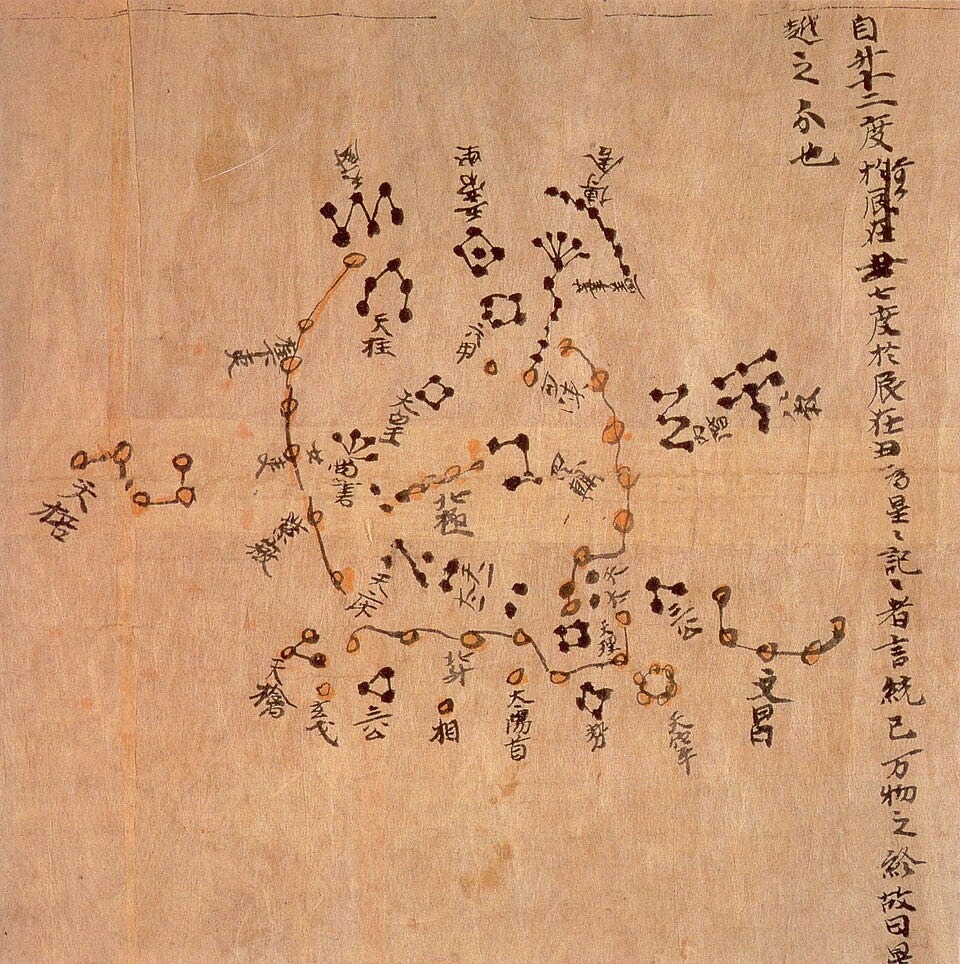
These two Court Astronomers, named Hsi and Ho,2 immediately present as parallels to Mason and Dixon given they are a pair of astronomers working for what is essentially the Ancient Chinese Empire’s version of the Royal Society. Other parallels continue to emerge given their work is secondary to their indulgence in the plentiful food, drink, and sex that is available to them in their country. In nearly four-thousand years, it seems that the average man has not changed all that much. In the same way that those working the Elite have not changed much, neither have the Elite themselves (itself paralleling in the lack of change from those of Mason and Dixon’s time to our time now). This lack of change is given example where when a single mistake is made when Hsi and Ho fail to predict the solar eclipse for the emperor at the time, they immediately fear retribution just how Mason and Dixon feared retribution for any minor inconveniences they may have caused the Royal Society such as asking to not be sent to Bencoolen (Sumatra).
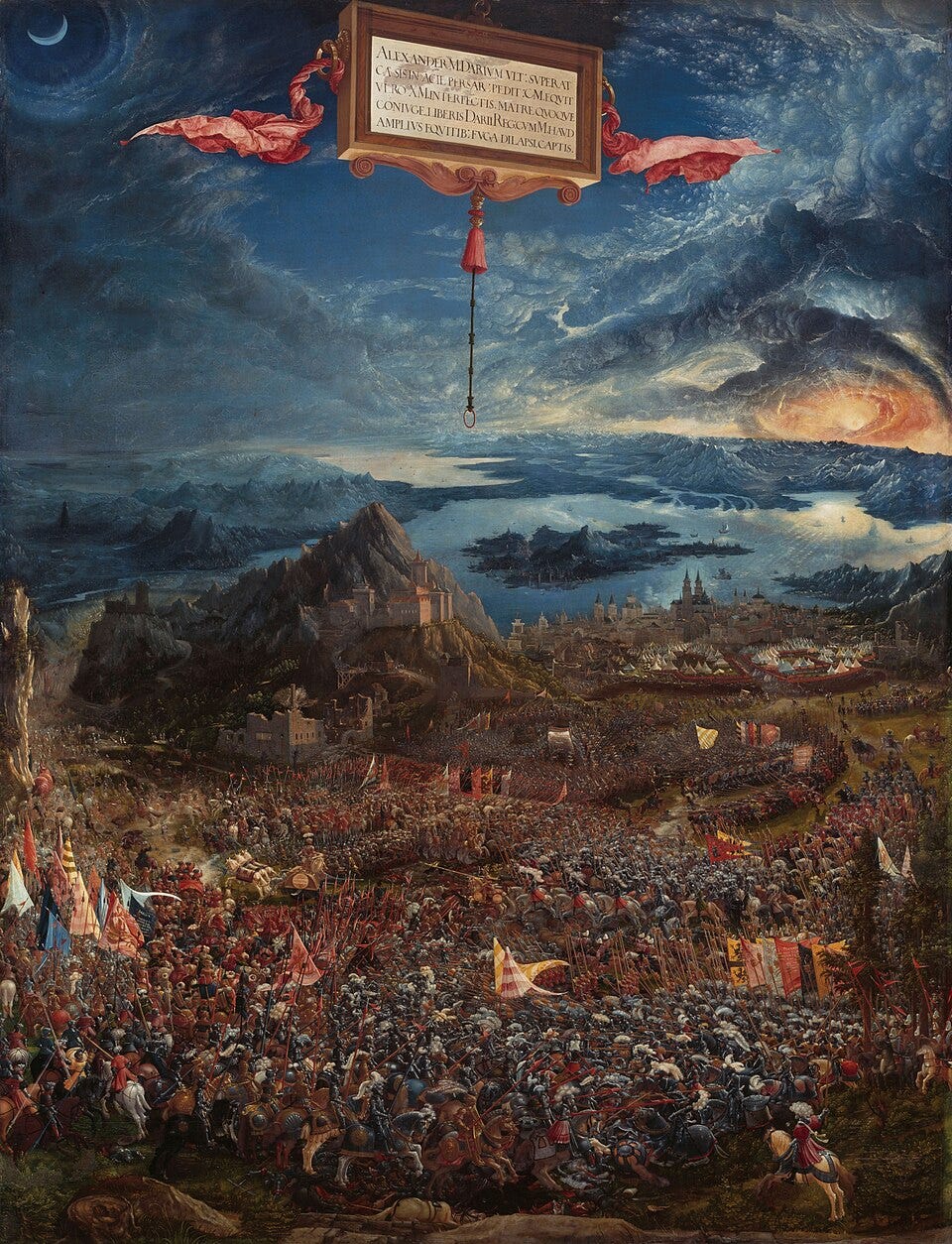
Hsi and Ho, after getting back to their observatory and bickering for a bit, hear “a great Voice [that] declares Hsi and Ho, henceforward unto Eternity, enemies of the Emperor,— and condemns them to death” (624). Confused as to the reason for such severe punishment, Ho questions the sentence, to which Hsi replies, “We made the Emperor look bad. As a Child of Heaven, he’s suppos’d to know all about these Wonders in advance” (624). Emperors and general Elite alike use their underlings for these exact purposes: to appear as if they are not only rulers, but are literally Divine. Looking at an entirely different historical situation, the Macedonian Empire arose under Alexander the Great, and while he likely had a bigger part to do with its rise than any other individual figure, it was those who served him who all together made the real changes. However, we now look at Alexander the Great as if he was the sole man who accomplished this historical achievement — and those within his empire also had the same belief. If an underling, especially one who has as important a job as being the royal astronomer, were to make a mistake that revealed this Divine facade, then it should be no surprise that they were to be executed or worse. Mason and Dixon are being used for the very same purpose: to further the reaches of the Royal Society and the British East India Company, being paid and garnering their own notoriety in the process, but for the ultimate goal in solidifying these entities as Divine or Necessary bodies which are meant to run the world. Mason and Dixon saw this inevitability when they sledded down the snowy hills, accelerating ever onward, terrified to stop for fear of death (2.52).
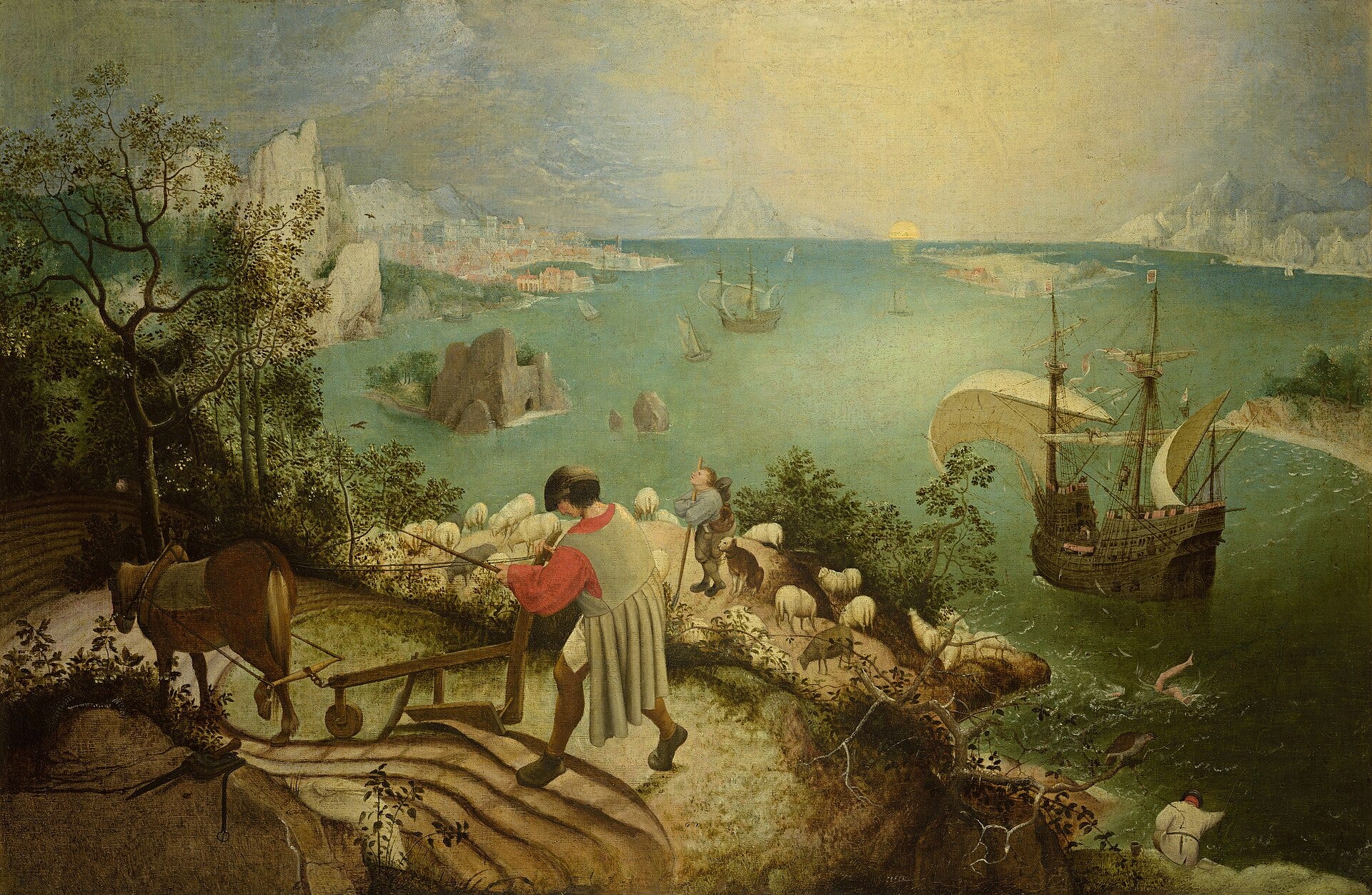
The best Hsi and Ho can come up with to save themselves is to escape on a kite in a manner similar to Daedalus and Icarus. At first, they believe it is their gluttony (the very thing which led to their mistake in the first place) that will lead to their literal down-fall, thinking that their kite will not be able to bear their weight because of their indulgent breakfast of duck, pork, and dumplings. Yet their gluttony is not as excessive as the men who they work for, allowing them to glide on safely due to their moderation (albeit a very tenuous moderation; but we are comparing rich men to the literal god-emperors of the world at this point, so relatively it is a very moderated indulgence). Maybe because of their relative moderation, rather than rising too high toward the sun, they slowly sink close to the Earth: “Ho has fail’d to notice how closely by now their Craft has laps’d to Earth” (626). This moderation proved the very key to their survival. Too much indulgence would have caused them to plummet to Earth, instantly killing them. But pure abstemiousness would have (though this is very inferential) caused them to believe they too were holier-than-thou figures who could float too close to the sun, leading to their death as well. Indulgence is not sinful; it is a part of being upon this Earth. Sin comes when indulgence leads to the very downfall or hatred of one’s people, or mankind as a whole. So too does Sin come from denial of the goodness of the Earth, where religion or ideology trump any form of love, pleasure, or like experiences.
But, of course, Hsi and Ho were not thinking of this sort of moderation, they were merely lucky enough to not have fallen into such a pit of depravity or false purity. For, having dropped Ho, Hsi now tries to defend himself that he knew they were close to the Earth and that this was therefore not an attempted homicide. Aren’t most people like this though? Indulging without really thinking of moral implications? Perhaps that is the answer: to merely live in a way that makes you happy. It is when you become aware of the sin you are bringing about in either direction that leads to issues of morality.
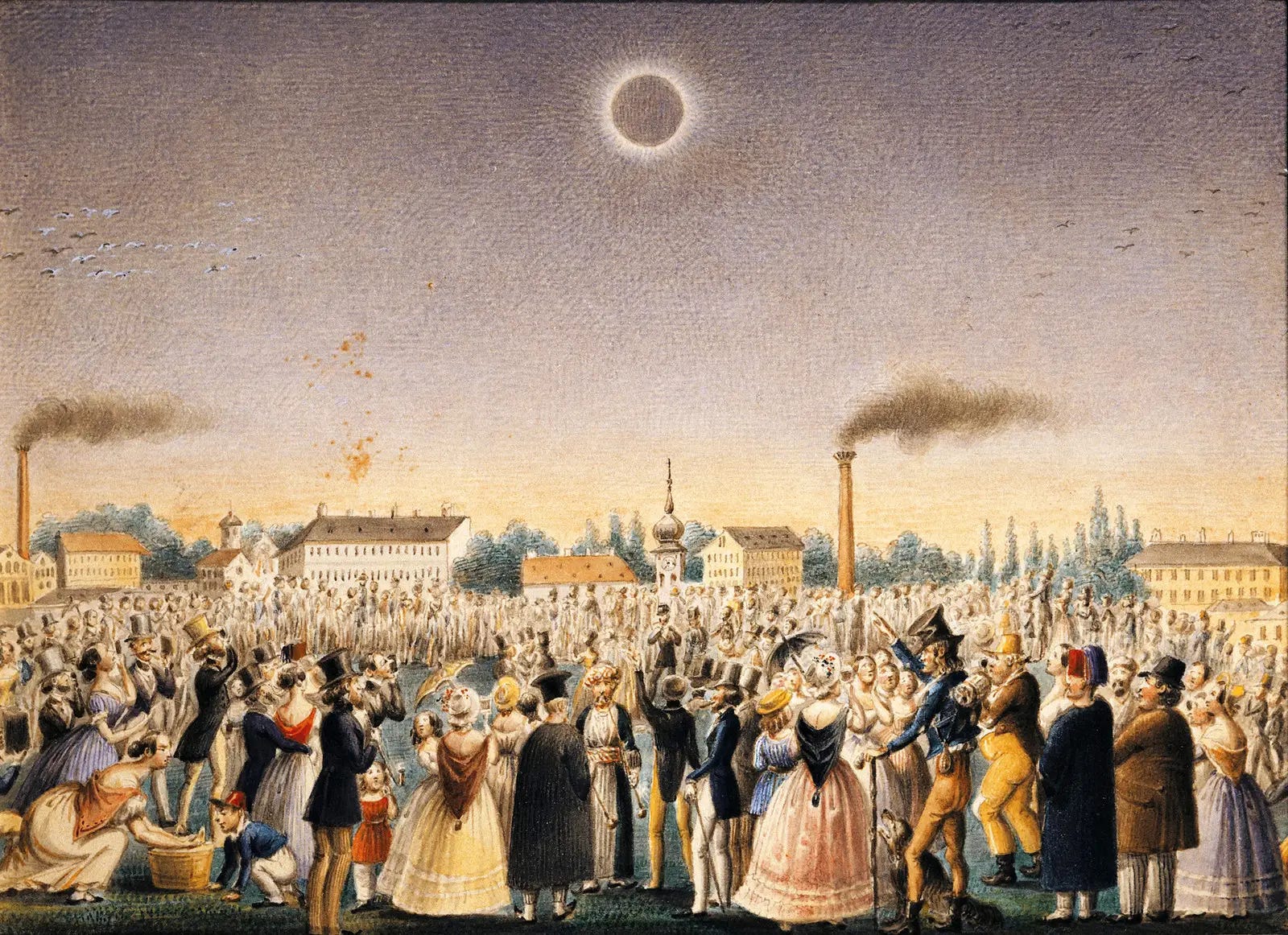
Ho begins to piss in the trees, leading a group of nearby girls to call out to their father, Huang. Huang arrives, learning of the astronomers’ ability to predict such eclipses and decides to make a deal with them. This lord says that he “made more yuan3 on one deal today than [Hsi and Ho] would ever have seen in [their] Life working for the Emperor,— all as the Result of your wond’rous Eclipse. A warehouse full of silk, let go for nothing, because its owner thought this was the End. If [he’d] known beforehand, [he] could have done more than one Deal like that” (627).
Here we are seeing the tethers that merge power and capital. While the Emperors of times past were very clearly wealthy, they were not dependent on wage exploitation or private ownership; they simply had a horribly ridiculous sum of money which was reinforced by the men who essentially did all the labor for them. However, true capitalist markets did not exist just yet. Wealth and Divine leadership were answerable only to the ostensibly truly Divine. The use of court astronomers was to maintain the belief in this divinity. Huang, here, has a new idea. What if such abilities and expertise were used purely to extract wealth: “Your Emperor was answerable to Heaven,— here must we answer to the Market, day upon day unending, for ’tis the inscrutable Power we serve, an invisible-Handed god without Mercy” (627). Huang is unquestionably bringing about the very idea of capitalism, invoking both the Market and Adam Smith’s ‘Invisible Hand’ — a God with no mercy. A God merely meant to manipulate and extract as much wealth as is possible, no matter the repercussions of those slaving away (either literally or metaphorically) to increase the wealth of their masters.
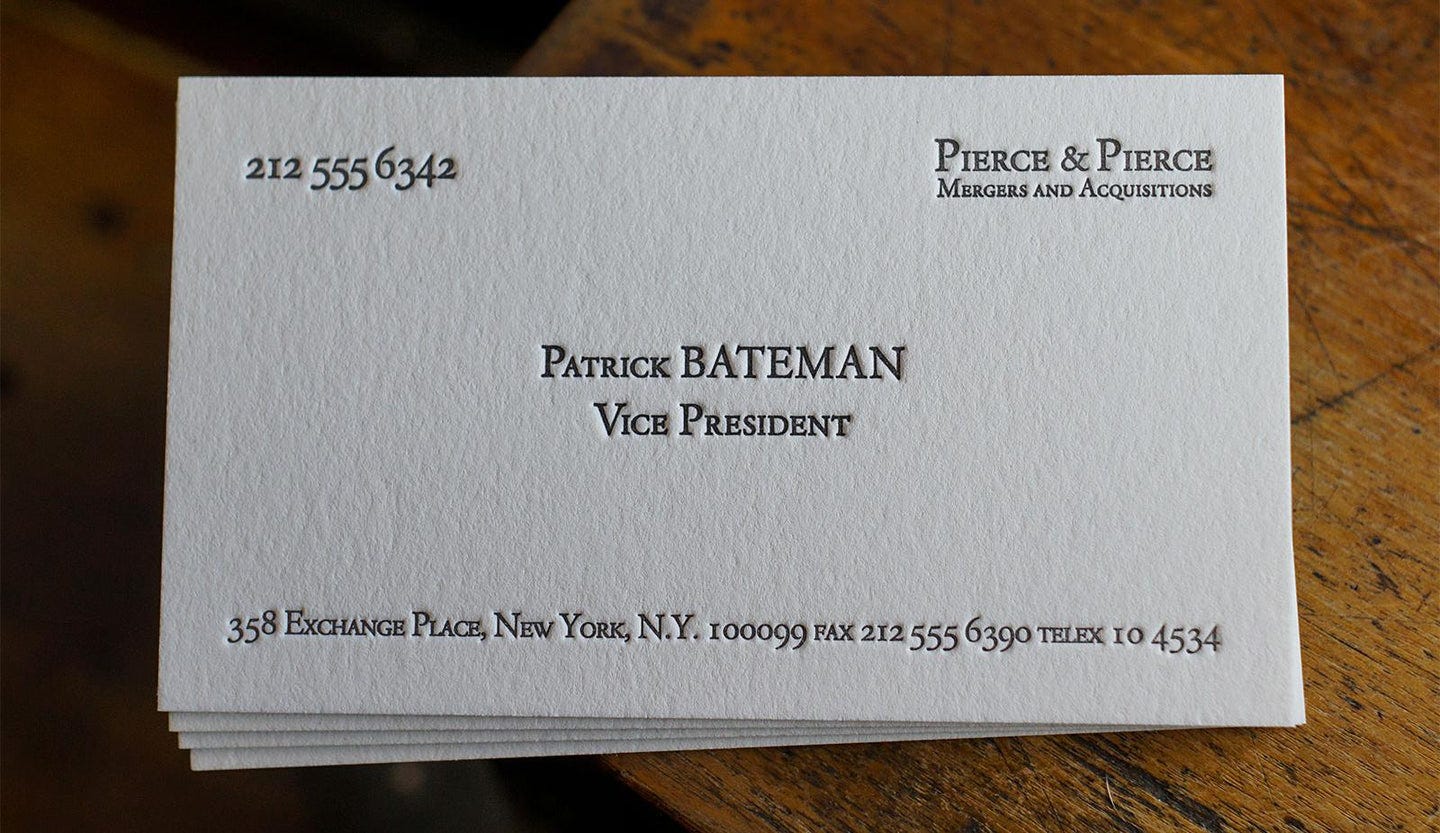
Selling themselves to this newly developed economic ideology, Hsi and Ho find themselves indulging in that potentially more dangerous level of pleasure, “not the least of their Successes being Erotick, at one time and another, in varying Combinations, too, some of them quite entertaining, with all seven Daughters” (628). The more one exploits those of their own kind, the more one is willing to find pleasure in Sin without a care in the world. And with that indulgence, identity begins to blur, leading to Hsi and Ho to be mistaken for one another. Their personalities and traits blur into a very mass of commerce in the same way that the Wall Street men of American Psycho have almost no distinguishing features about them but minor color-grade changes in a business card.4 While they were trying to establish themselves as worthy entities, these mistaken identities proved to be an annoyance. One could imagine the same thing with Mason and Dixon — for instance, Mason being called the surveyor or the Geordie. However, as time moved on and as they both established themselves, appearances became far less important: “in their later Years [it was] a source, ever fresh, of Occasion for Glee” (628). This confusion would remove repercussions from their gluttony and sin; it would, in essence, just make them one of those random men who had made it big.
And alas, the more one indulges, the more likely mistakes are to be made. Hsi and Ho may very well believe they had made it, but they were still working for capital. They were still subject to the rule of another man — another Market. Therefore, their indulgences prove to be their downfall, having once again (after many successful predictions) failing to predict yet another solar eclipse. A few versions of the story proceed from this failure.
First, while Huang’s army grows suspicious and hostile of him, the eclipse finally arrives, allowing him save face. However, in this version of the story, Hsi and Ho are banished. Now that they have become overconfident in their place, willing to put their own pleasures over the importance of another more powerful man’s Capital, they must be banished. And so, Huang, in this story, sends them off to live in the Western deserts. Were Mason and Dixon also getting too comfortable in their lives? leading them to be sent into the further Western Lands? Secondly, another version of the story has Huang’s army killing him for failing to make the predictions correctly, leading to Hsi and Ho taking over his entire capitalist empire. In this version, we see the lucky, by chance, elevated from a Preterite to an Elect. These things do occur, however infrequent. But notice: they would not occur to the agrarians, those working in sweatshops, and so on. It would still only ever occur to those who had a step up, even if that step were not as high as the true Elect.
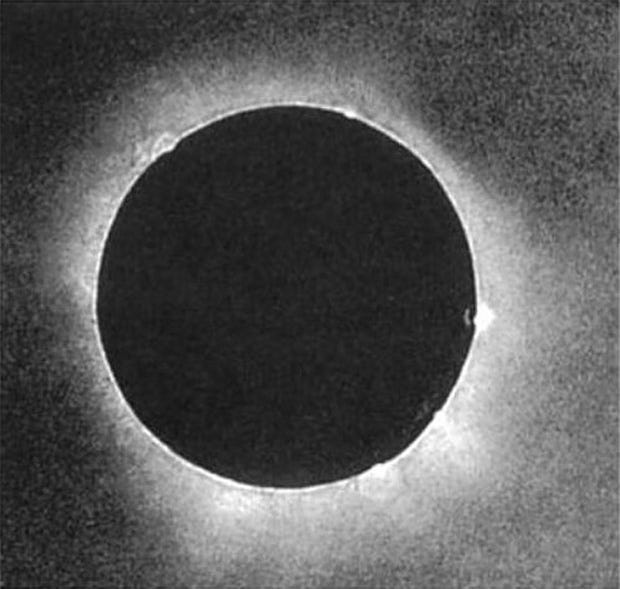
But a third story also lies untold: the story that we know through actual history. Outside of Pynchon, in real historical documentation, Hsi and Ho were actually killed for not predicting the original Hia Emperor’s solar eclipse. They were beheaded on the spot.
These are our three possibilities. We will either be sent off to survive on scraps for making a mistake, become the very exploiter themself, or be quite literally executed to set an example. This is why Mason and Dixon were so unwilling to fully stop their acceleration forward. They have had their epiphanies, and they likely know in the back of their minds what they are contributing to. But if these are the choices, then how on Earth could they stop?
Up Next: Part 2, Chapter 65
The Hia Dynasty (also spelled as the Hsia or, most commonly, Xia Dynasty — pronounced she-ah) is thought to be the oldest Ancient Chinese dynastic family who ruled from ~2200 BC to ~1700BC.
Hsi and Ho are the real names of the court astronomers at the time, and they historically did actually fail to predict the solar eclipse. So, the roots of this story are very true, although technically, knowing what we know about how history is written, the historical account could be as fictional as Zhang’s story, or it could just be pure myth.
Also, the spelling of Hsi’s name would today be written in pinyin as Xi, which phonetically sounds similar to the English word ‘She,’ but with a slightly different ‘sh’ sound. Hsi would have been how it was written in Mason and Dixon’s time though.
Chinese currency.
It should also be noted that being mistaken for one another is another parallel (among many we have and have not discussed) to Mason and Dixon, both in that Mason and Dixon played games where they allowed themselves to be mistaken for one another and in how Darby and Cope pretended to be Mason and Dixon as well.